Make websites people remember
Practical, specific and long enough to be useful: 3D on the web, type, motion, performance, and the pages that have to earn their keep.
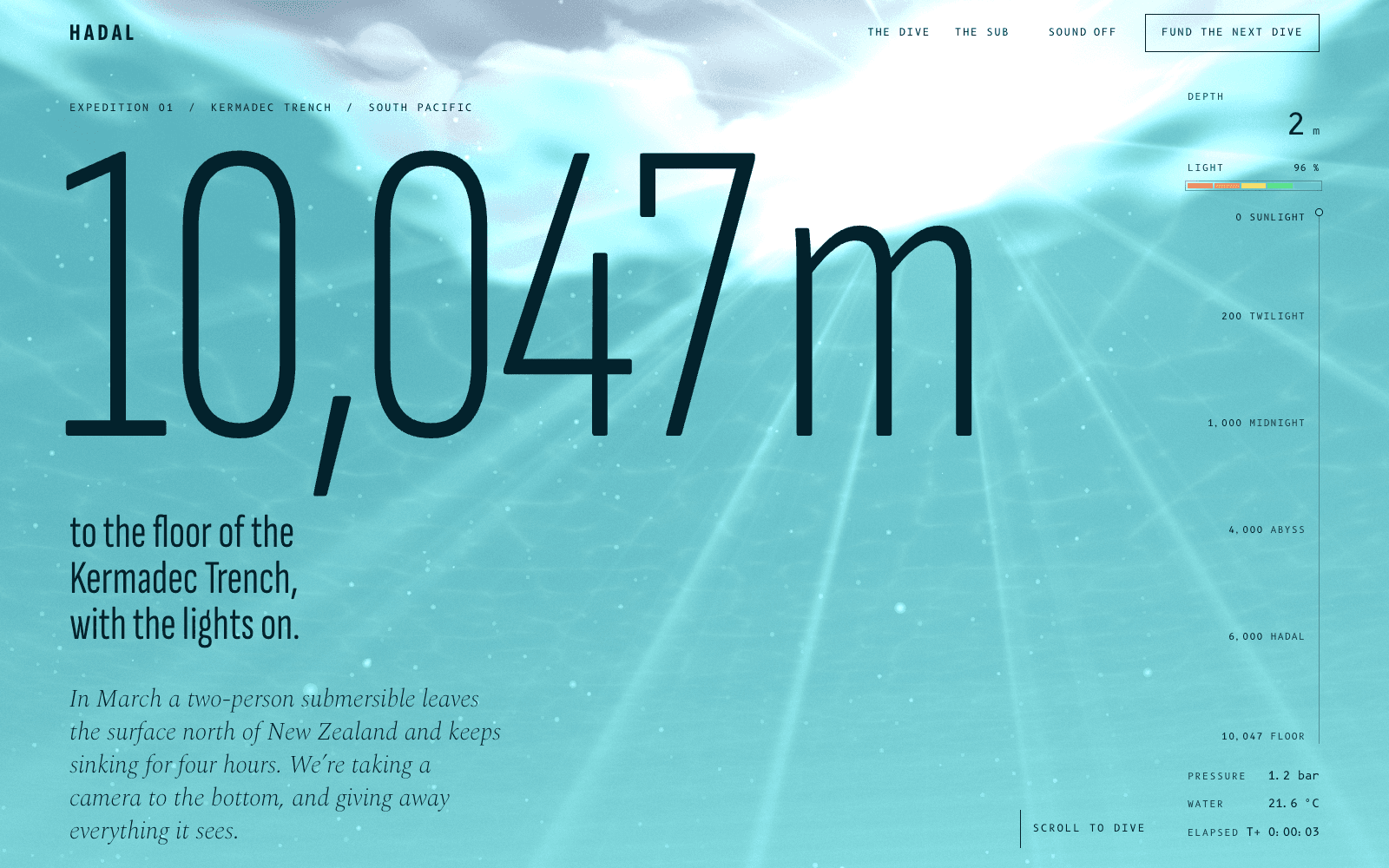
How to build a 3D website
Two honest paths to a 3D website, with real code, asset prep and performance numbers measured on our own sites.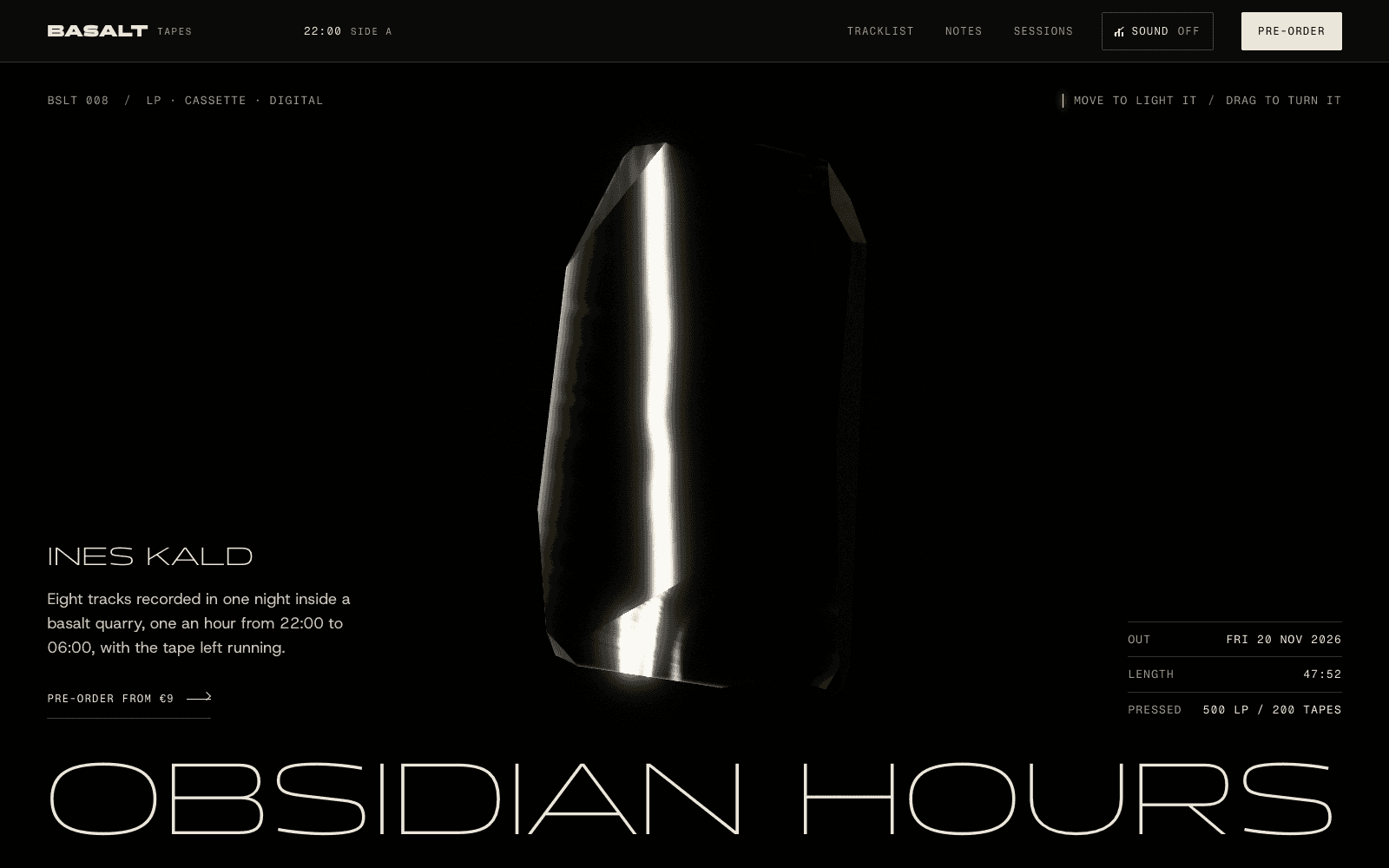
WebGL for designers
A designer's guide to WebGL and three.js: the mental model, the vocabulary, what each technique costs, and how to brief real-time 3D so it comes back the way you imagined.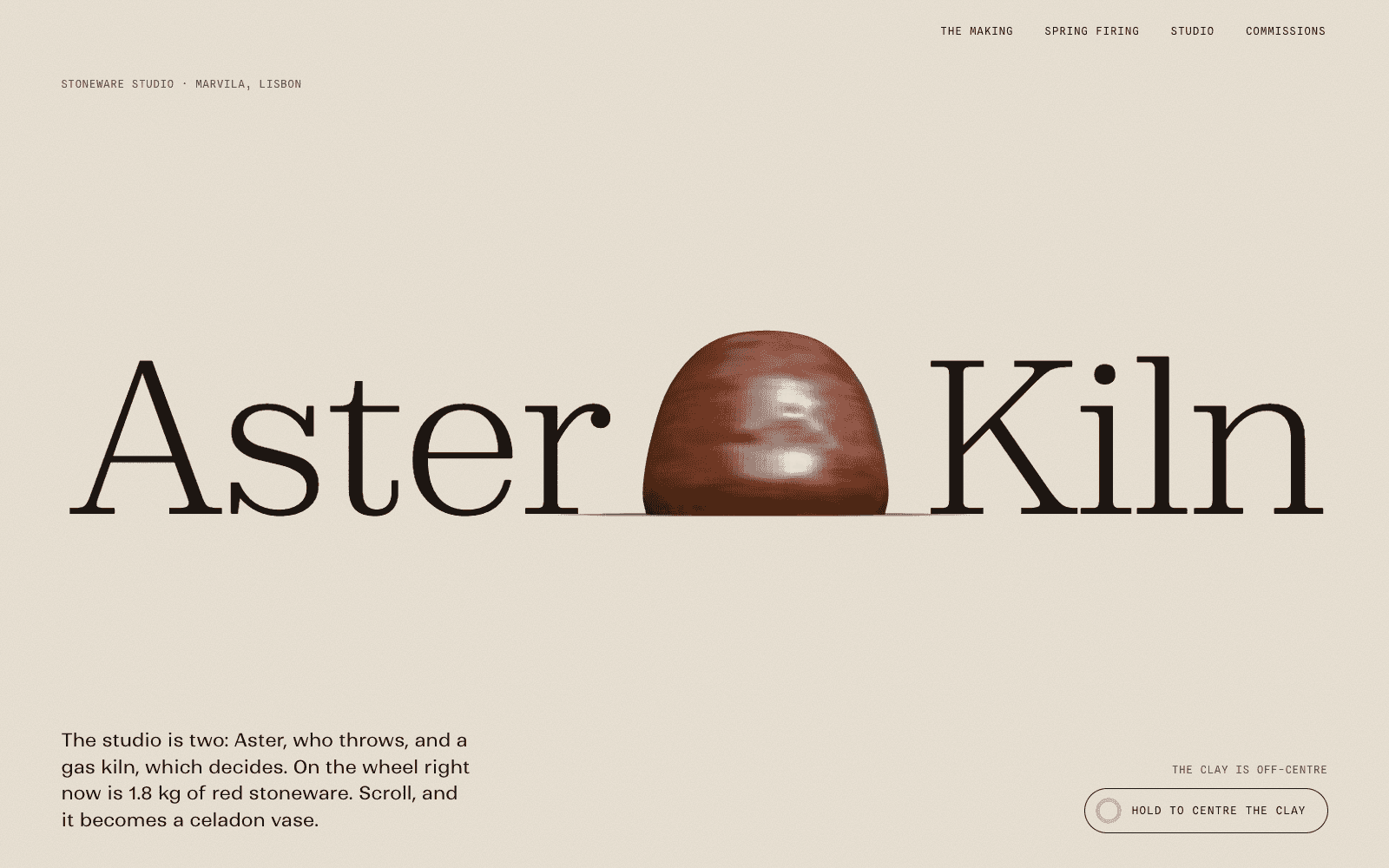
A portfolio that gets you hired
How portfolio reviewers actually read, what to show for each creative discipline, how to write case studies that prove your judgement, and how to make the site itself part of the argument.
A launch page that converts
How to plan, write and structure a product launch page around one action: positioning, the order of beats, headlines, calls to action, honest proof, waitlists and what to measure.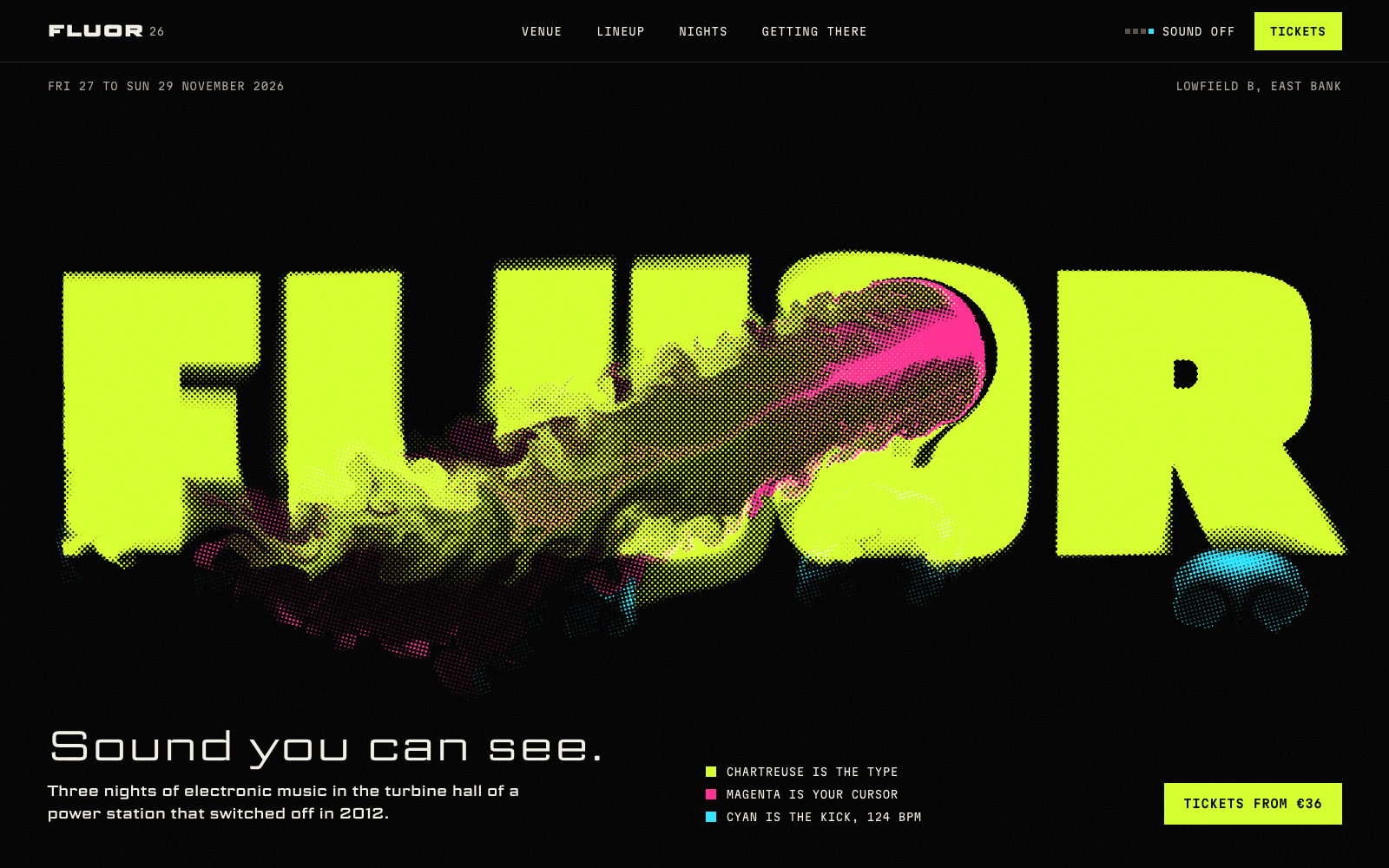
Choosing fonts that aren’t Inter
Why so many websites share the same handful of typefaces, how to choose display, text and label faces for a concept, sixteen tested pairings with reasons, and how to license and load them properly.Fast websites with 3D
Measured load times for eight real-time 3D sites, where the time goes, and the fixes that cut it without changing a pixel.
Accessible motion
Reduced-motion versions, flashing limits and keyboard paths for motion-heavy sites, shown on three real 3D and scroll sites with and without motion.What is llms.txt
llms.txt is a map for AI agents, not a ranking signal. What the v2 proposal asks for, what the evidence says about who reads it, and how to make yours findable.How AI agents read websites
An AI system that visits your page is one of three readers, and each misses different things. What the vendors document about each one, and the same page captured all three ways.Structured data for AI search
No special markup gets you into AI answers, and Google says so. What JSON-LD is documented to do, the one placement rule that decides whether AI crawlers see it, and two templates that validate.robots.txt for AI crawlers, one bot at a time
AI crawlers do three different jobs, and each vendor names a separate token for each. A table built from the vendors' own pages, the RFC rules that trip people up, and three files to copy.What is WebMCP, and should your site use it yet?
WebMCP turns a page's forms and functions into named tools that a browser agent can call, instead of guessing at buttons. What it is, where it really works as of October 2026, a form we tested in Chrome, and the rules that keep it safe.Why ChatGPT, Claude or Perplexity can't see your website
When an assistant can't read your site, the cause is almost always one of five layers: robots.txt, your CDN, JavaScript, discovery or the assistant's own index. A test for each, in the vendors' own words.
Start building
Describe the site in a sentence. It asks what matters, then designs and builds it from scratch.